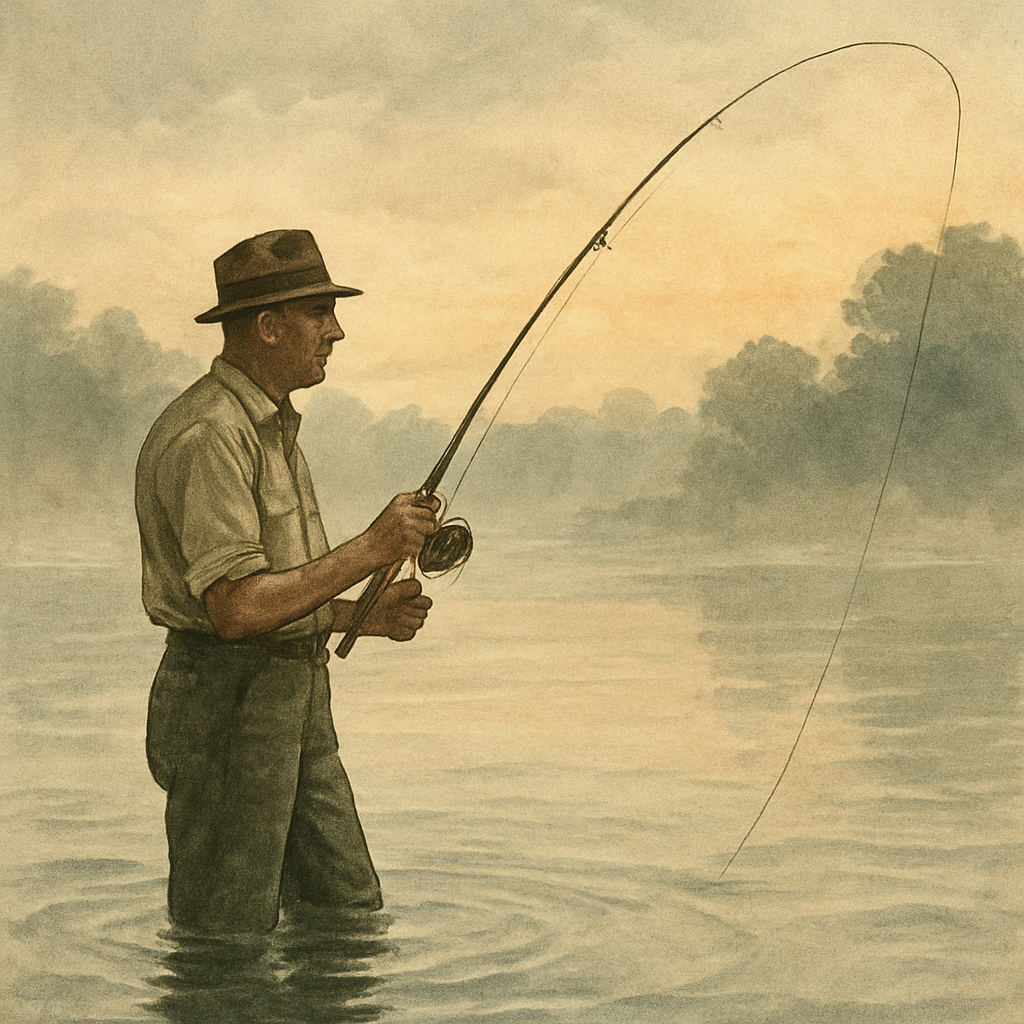
After the Tide, Indian River Inlet: Striped Bass and Flounder Along the Jetty
The inlet breathes salt and iron. I rolled in from Lewes, Delaware, a quick push off Delaware Bay. The air tasted of sea and rust. The jetty stood like a stubborn line drawn in the water, and the salt water ran deep along the rocks. This is where the striped bass hunt in a place made for them, and where flounder slide along the sand like a memory you can almost reach with your toes. I walked the edge, boots loud on the concrete, eyes fixed on the channel that pulls and pushes the sea with a patient hand.
The day was simple, with a plan that didn’t shout. Cast, wait, feel for the bump, then reel. I fished the jetty water as if it were a map of old routes, the kind you memorize by heart and never forget. The bass came with a low urgency, a rolling fight that tests the line and the arm. My rod bent, the line sang, and the fish came with a stubborn, gliding arc, the kind that teaches restraint more than speed. The water carried a cold, clean edge, the kind you notice when you mistake heat for energy and then suddenly understand where power truly lives.
Flounder are not showboats here. They come quiet, a gray shape under the line, then a sudden kick and a flutter of white on the sand. I felt a flat, stubborn push of the species as I set the hook and steadied the boat of the moment. The irony of the inlet is that strength hides in patience. The bass and the flounder tell you to slow your breath, to reset your stance, to watch the water’s current as if it held a secret you were meant to learn.
I moved along the jetty, pockets of shadow where a fish might lie, and then a flash of silver as the bass closed. The fight stayed honest, not a single show of drama beyond the instinct to win without spectacle. The flounder followed a different road—quiet, stubborn, the kind of fish you respect for its stubbornness more than its shove. The water around us carried the weight of the tide, and the jetty kept time with it, each wave a ticking clock.
Between the catch and the moment after, I learned a simple truth that travels with me on every salt path: water shapes a man, and the fish shape the river within him. I cast again toward a deeper ripple, a safer seam where bass often lurk, where the current holds you in its palm without you ever realizing your own feet are anchored to the shore of luck. When I finally tucked the line and let the fish run free, a reminder settled in—the inlet gives something back only to those who move with its rhythm.
The day’s walk ended where the harbor sighs and river begins. I looked toward the road that will take me to the Delaware River in Lambertville, New Jersey, the next leg of this wandering tale. The journey feels like a long, straightforward sentence—the kind you can finish by hand and then reread with a slow, careful breath.
Gear Used
- Orvis Clearwater Fly Rod 5wt — reliable for inshore strikes and damp hands
- Lamson Liquid Fly Reel 5+ — smooth retrieve, solid backing
- RIO Gold Fly Line — long casts, steady load
I learned what the inlet teaches: move with the water, not against it. What worked was patience, a steady reel, a line kept honest in the snap of a bass’s run. What failed at times was speed, the desire to rush the bite or to grip the rod too tight in the heat of a strike. The gear held true when I trusted the rhythm, and I walked away with fewer mistakes than I expected, more memory than metal.
The road ahead waits with its own weather, and I’ll keep moving.