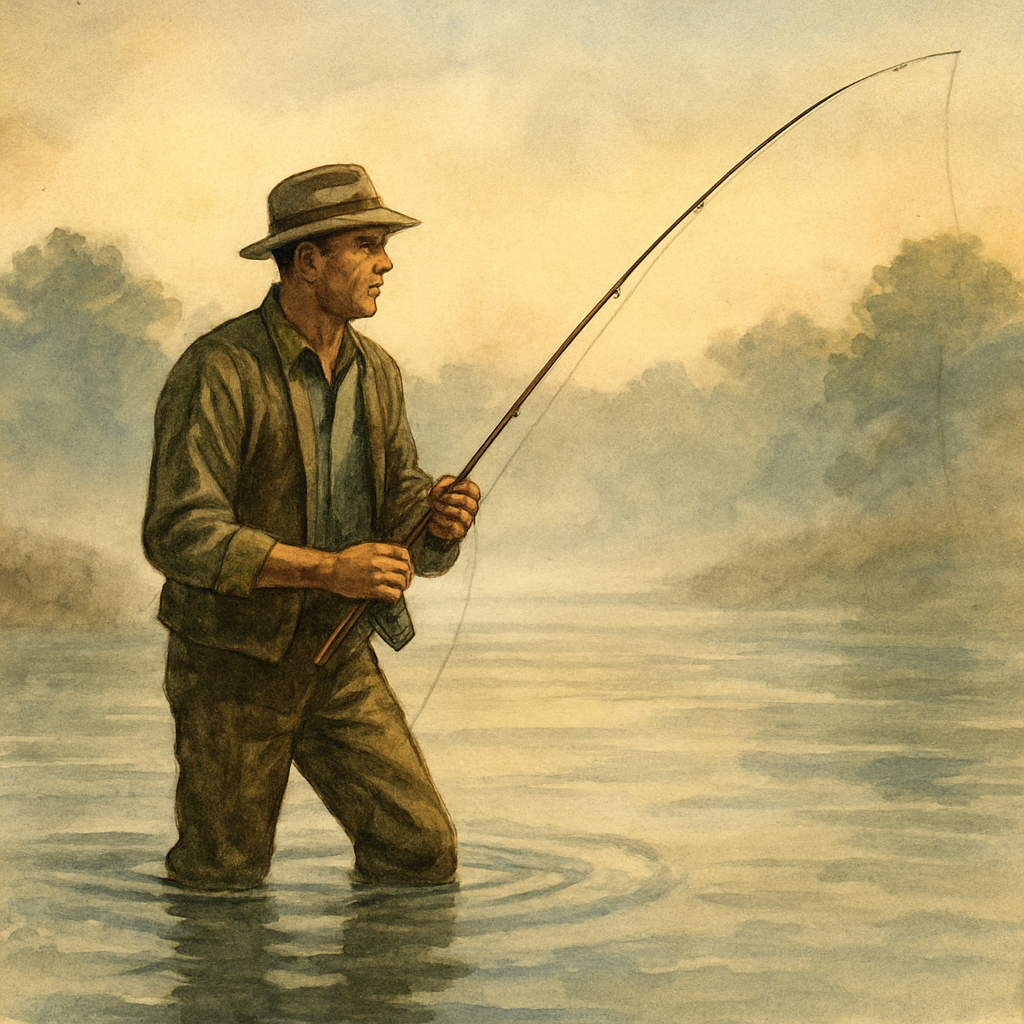
Cape Cod Chatham: Salt, Bars, and the Quiet Hunt for Stripers and Blues
The road from Watch Hill to Chatham is two hours of salt air and the ache of a long day. I drove with the windows down, the land turning gold in late light. Massachusetts opens its coast with a quiet steel glare. Cape Cod stands like a promise, dunes and water and the stubborn pull of a run that never quite finishes.
Chatham sits on the elbow of sand. I found the water a salt streak under a wide sky. The tide pulled hard, and the bays wore their bars like teeth. It’s a world of sandy bars, where the water sounds different. You have to listen. You have to move with the current, not against it. We rolled into a wind-building afternoon, the horizon pale with heat and bluefish glinting in the shallows.
The first cast found nothing but the clear memory of the last trip here. Then the bass came, a slow cylinder of line and will that runs true through salt and spray. Striped bass have a way of appearing when you’d almost given up, as if the flats whispered their secret into your ear. The bar breaks are shallow, the current quick. You cast to the seam between light and shadow and wait for the tug that says: you’re at the edge of something big.
Bluefish followed, a sudden, bright-on-brine chaos. They are a raucous counterpoint to the bass’s patient watch. They bite with the exuberance of a city street at dusk and race away with a smile. I found that the same craft that works in Rhode Island works here. A quick settle, a solid strip, a moment of give and take. Water breaks the way a man breaks bread—careful, deliberate, then all at once.
The water’s salt, the air sharp with the edge of a stubborn wind. The bars shift with the tide, and you learn to read the map by the marks in the sand. A drop-out of light, a lilting current along the edge of a sand bank, and a line whispers the promise of a bite. The man beside me says nothing. He’s watching the water like a coiled spring, and when a hit comes, he’s ready. So am I.
The day was a lesson in patience and the weight of a well-timed cast. I learned to pause before the strike, to wait for the fish to tell me how they want the lure presented. We worked the edges where the dark water meets the light, where the fish lay in ambush and patience might earn its keep. The bass came again, a quiet echo of the first, and the blues followed in a brief, bright chorus. We left the water with lines heavy and mouths dry from salt and sun, a quiet gratitude tucked away between breaths.
Travel keeps a person honest. It’s two hours of road and a long breath of salt when you stop again. The next stop awaits, the reservoir where fog and water fuse into a different kind of quiet. Tonight I taste what the sea did to me, and I am ready for the next state and the next river, still chasing what this coast offers in its own stubborn way. The trip will demand more lines, more patience, and a promise to keep listening to how the water wants to be caught.
Gear Used
- Orvis Clearwater Fly Rod 5wt — solid, balanced, reliable for the flats
- Redington Behemoth 5/6 Reel — smooth drag, rugged appeal
- RIO Gold Fly Line — clean line, easy cast, long precision
I kept it simple and steady. I learned what I already knew: a patient cast is a patient cast, whether on the Rhode Island sound or the Cape’s heavy bars. The gear carried the day when the wind rose and the water sharpened. Humility stayed in the pocket, ready to rise if I forgot what this work asks of a man.
The road keeps its edge. We will follow.