Across the Connecticut: Hanover Run for Smallmouth and Shad
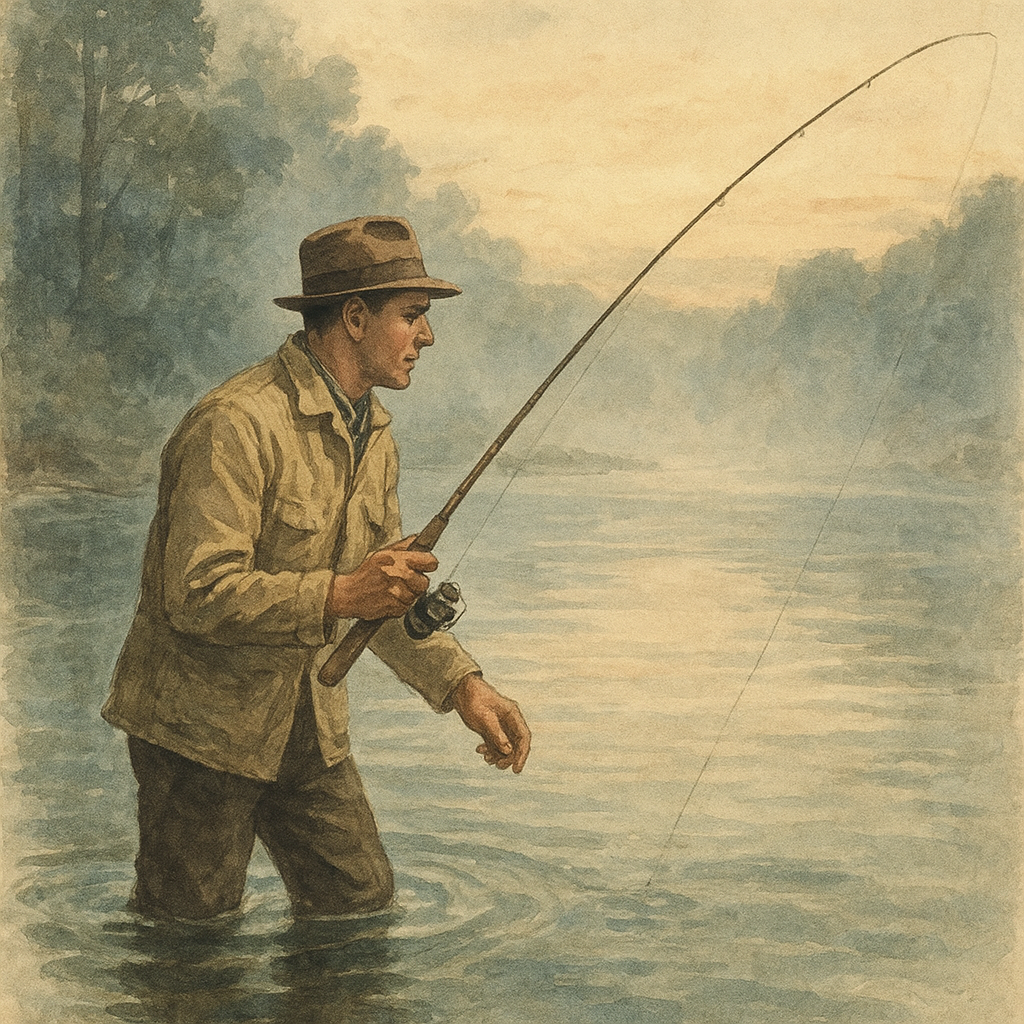
The river wears wide shoulders in Hanover. The town sits quiet along the bank, its trees leaning toward the water. I left Lake Winnipesaukee behind me, the road rolling clear and steady for about an hour. The day had a slow grip on the air. Water played a slow green in the bends. It was a late spring hush, the way a town keeps its breath before a storm.
I came for smallmouth and for shad, two stubborn species that know every creak in a big river. The Connecticut is not a single trap of fish. It moves like a field of decisions. You read the wake, you pick a bend, you throw the line. In Hanover, the water is freshwater with a history. It remembers the rain, the floods, the old farms that once lined the bank. The river widens in the bends and narrows where the current learns to bite. Today the wind kept a low hum along the surface, not too rough, just enough to keep the line honest.
I moved with a practiced patience, wading where the water clicked over stones and then sank into slow, wide zones where bass feel safe enough to blink. Smallmouth, with their olive bodies and the stubborn tilt of a fighter, know a river’s secrets. They hide under sun-warmed shelves, then hole up at the edge of a seam where the current and slack meet. Shad—eager, thin in profile—slide through with a jittery grace, like a rumor traveling downstream. The target was simple: drift the seam, hold steady, stay ready.
The color of the water shifted as light did, from glass to a faint murk where the river tuckered itself into a bend. My line cut clean, a short pause, then the pause broken by the pull. A bass woke and fought with a stubborn, clean rhythm. It didn’t scream. It didn’t sprawl. It simply took line and showed me the river’s own clock. A few casts later, a shy shad rose, silver in the corner of my eye, a quick flick and the river exhaled. I worked both species with quiet respect, switching baits by feel and memory.
Traveling through this part of New Hampshire is a balance of silence and sense. The road to Lake Champlain’s edge in Burlington waits ahead, but first the river must tell its small mouth tale. The wide bends invite a patient angler, the kind who counts shadows, not the kind who expects a trophy every cast. The hunt is always humility here. The river lets you have a moment, then asks for your next one.
The day’s rhythm followed the water: patient casts, a wary bite, a pause, a steady bring-in, then release. The river keeps records in its folds, and you learn what it keeps by listening. When I finally turned toward the shadow of a bridge and felt the last line drain, I knew the river had given what it would. The hunt for shad, the chase of smallmouth, both taught me to slow the tongue and quicken the wrist.
The last light flickered on the surface and I stepped out, hands clean of the river’s dust, mind a fraction clearer. The next stop, Lake Champlain in Burlington, loomed as a bigger map with older fish stories waiting.
Gear Used
- Orvis Clearwater Fly Rod 5wt — reliable and pointed for confident casts
- Lamson Liquid Fly Reel 5+ — smooth and sturdy in the current
- RIO Gold Fly Line — line that sits true on a long drift
The day’s work was simple and honest. I learned that the water tells more in a slow read than in a bold chase. What worked was patience; what failed was haste. Read the seam, stay steady, and keep the heart quiet.
The river gives what you ask for, if you ask with care.