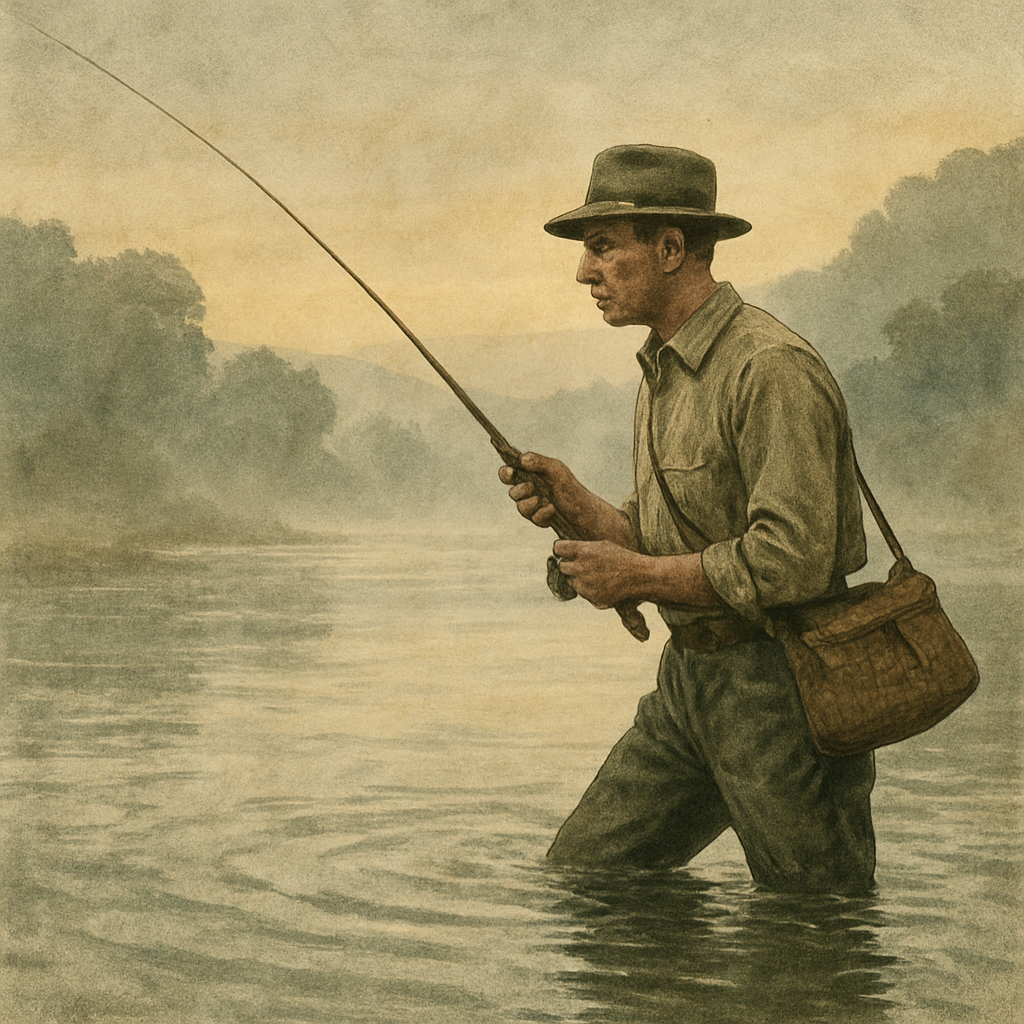
Across the Lamplit Current: Smallmouth, Shad, and a River That Keeps Quiet
The morning came cool and clear. The river wore its winter clothes. I pulled off the last light mist and felt the water bite in the edges of my hands. Two hours from Indian River Inlet, I rolled into Lambertville, where the Delaware runs wide and stubborn. The town sits on the edge of the river. The sound of the current is a steady breath in the shade of old willows.
This is freshwater, clean and stubborn. The rocky seams hold a stubborn, patient fish. Smallmouth bass light up under the shadows of river rocks. Shad move with the current, pale and quick, like bad weather you sense before it comes. I walked along the bank, boot soles tasting damp rock. The air carried a faint smell of rivergrass and cold. It was a day to be simple and true about what you see.
The water moved with a quiet purpose. It runs through a country where farms press close to the shore and the road stays near enough to hear the river hiss at the tires. I waded into a seam where rocks loom and the current rides hard along the edge. My line cut a long silver arc, and the lure settled into a pocket with a patient dip.
I chased two fish and caught only one. The smallmouth came on strong, all weight and green scale as if the river had decided to seed a new strength. It thrashed, then settled, and I watched the water calm around its small, stubborn mouth. Shad moved past in a pale frenzy, the river doing its work of movement and memory. They came in quick, and then they were gone, a rumor of bright flash and riverwater over stone.
The day wore on with the same simple arithmetic: cast, mend, hold, wait. The seams offered cover, and the river offered time. A man learns in water like this not to rush a bite or rush a fish. You wait for the line to load, you wait for the hint of a take, you strike only when the heart whispers yes. Latitude and patience become one.
I left the Lambertville bend with a quiet sense that the river is full of answers you only hear if you carry a light heart and a steady hand. The drive toward Cape May Inlet will be long in the pattern of a good day—there and back, if you’re lucky, and if you’re not, you still move forward. The river has its own schedule, and you learn its calendar by listening to the water, by reading the seam, by feeling the drag of a good take against your rod.
The road back carried a wind from the south and a memory of the river’s cold brightness. The smallmouth was not a conquest, but a conversation. The shad offered a quick reminder that the river never really stops teaching you to be better at seeing, not merely at catching.
Gear Used
- Orvis Clearwater Fly Rod 5wt — light, balanced, honest in hand
- Lamson Liquid Fly Reel 5+ — smooth drag, dependable under pressure
- RIO Gold Fly Line — tight turnover for seams and riffles
I carried a simple line of lessons. Read the water. Listen to the current. Don’t chase every shadow. And when you do take a fish, hold it with respect, let it recover, and send it back with dignity.
It’s a river story, and I am only its listener.